1st Grade is on Point
As a designer who’s worked with countless embroidery files, I always start by evaluating the visual appeal and practicality of a design before using it in real projects. 1st Grade is on Point is a digital SVG file that promises to bring a fun, educational vibe to any craft or commercial project. But does it live up to its potential? Let’s break it down.
The First Impression
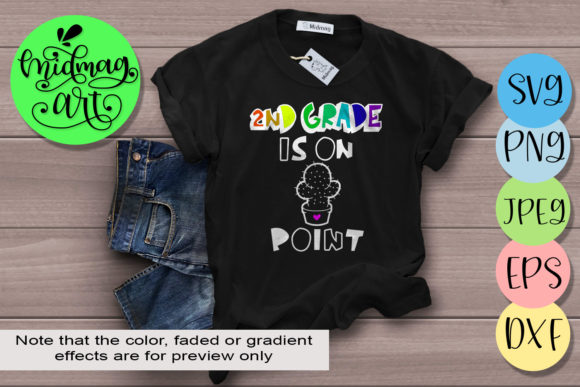
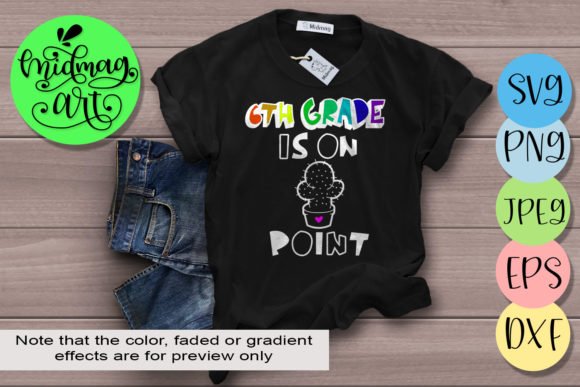
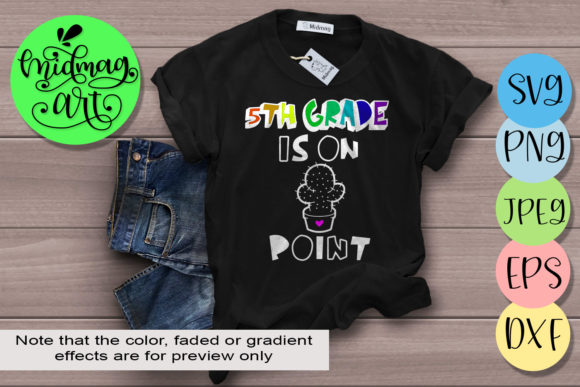
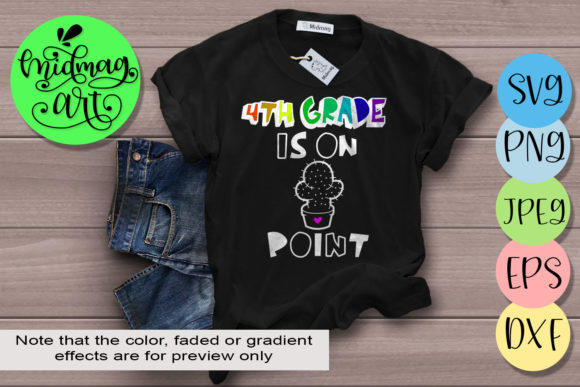
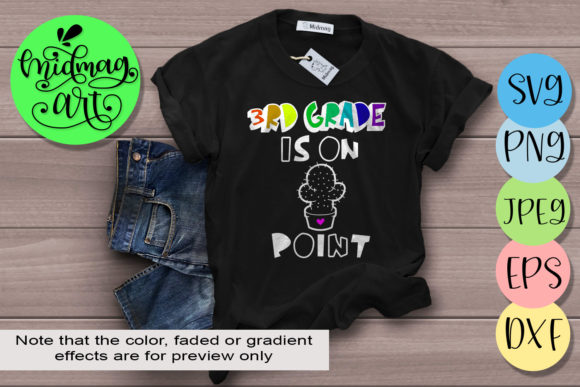
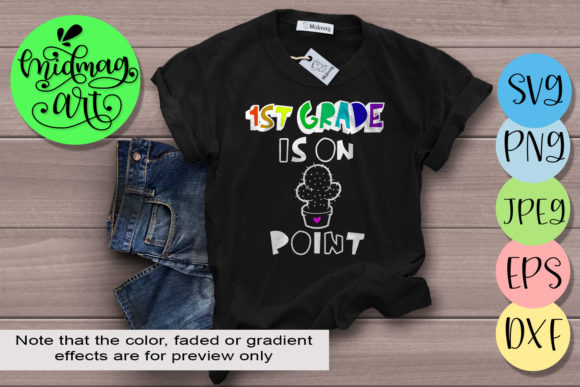
From the moment I opened the 1st Grade is on Point SVG file, I noticed its clean, modern aesthetic. The design features bold lettering and a simple, stylized graphic that feels both playful and professional. It’s the kind of design that could easily translate into a variety of handmade products, from baby clothes to personalized gifts. The layout is well-balanced, making it suitable for a range of embroidery applications without feeling cluttered or overwhelming.
The theme is clear: back-to-school, first-grade enthusiasm. It’s perfect for parents looking to personalize items for their kids or educators wanting to add a touch of fun to classroom supplies. The visual personality is friendly and approachable, which makes it ideal for a wide audience.
Real-World Embroidery Use Cases
When considering how 1st Grade is on Point would work in real-life embroidery situations, I imagine it being used on custom apparel like sweatshirts, t-shirts, and tote bags. It also has potential for baby items, such as onesies or blankets, where the design’s simplicity can shine without overpowering the fabric. For small business owners, this could be a great addition to an Etsy shop or craft fair booth, especially if paired with other back-to-school-themed designs.
I can see it working well as an embroidered patch for backpacks or jackets, or even as a decorative element on aprons and kitchen towels. The design’s size and detail level make it adaptable to different projects, though I’d recommend testing it on various fabrics to ensure it looks good in different contexts.
Where to Be Careful
While 1st Grade is on Point is versatile, there are some scenarios where caution is needed. If you’re planning to use it on small hoop sizes, you may need to adjust the design or split it into sections to avoid stitching issues. Thin or stretchy fabrics might require extra stabilizer to prevent puckering or distortion.
Dense stitch areas could cause the design to look too heavy, so adjusting the stitch density might be necessary. Tiny lettering or detailed corners could get lost on textured or dark fabrics, so testing on different backgrounds is essential. Also, if you're planning to use this on layered garments or curved surfaces like caps, you’ll want to ensure the design is scaled appropriately for those surfaces.
Impact on Visual Appeal and Customer Perception
When it comes to visual appeal, 1st Grade is on Point is a solid choice. Its clean lines and readable text make it easy to spot from a distance, which is important for branding and recognition. In terms of stitching clarity, the design should hold up well on most standard embroidery machines, provided the user follows best practices for stabilizer and thread color selection.
For small business owners, this design can enhance product value and customer trust. A well-executed embroidery project with a recognizable design like 1st Grade is on Point can make a handmade product feel more professional and polished. It also adds to the giftability of items, especially during back-to-school season or as a personalized gift for young students.
Practical Designer Notes
Before finalizing any project with 1st Grade is on Point, I recommend testing it on scrap fabric to see how it looks in real life. This will help you understand how the stitch density affects the overall appearance and whether adjustments are needed. Checking thread color contrast is also important—especially if you plan to use it on dark or light fabrics.
Reviewing the hoop size is another key step. If the design is too large for your machine’s hoop, you may need to resize or split it. Inspecting small details like lettering and corners can prevent issues during the stitching process. Testing the design in black and white mockups can also help you visualize how it will look on different backgrounds.
Finally, confirm that the design is licensed for both personal and commercial use, especially if you're planning to sell finished products or digital files. Even though the product description mentions compatibility with Cricut Explore, Silhouette Designer Edition, and other software, it’s always wise to double-check the licensing terms before proceeding.
Final Thoughts
1st Grade is on Point is a reliable machine embroidery design that offers a fresh, engaging look for a variety of projects. Whether you're creating custom apparel, personalized gifts, or small shop merchandise, this design has the potential to elevate your work. With proper preparation and attention to detail, it can become a valuable part of your design assets.
For embroidery designers, crafters, and small business owners, 1st Grade is on Point is a practical choice that balances creativity with usability. Just remember to test it thoroughly and consider the specific needs of your project before finalizing the design. It’s a great example of how a simple SVG file can turn into a standout finished product when used thoughtfully.